

Understanding Horseback Riding Basics in Virginia
Horseback riding offers an engaging and fulfilling outlet for interacting with both nature and animals. This activity not only facilitates outdoor exploration but also instills a sense of camaraderie with the equestrian companions. However, it is crucial for beginners to prioritize safety to foster a positive and secure experience. Virginia, renowned for its breathtaking landscapes and expansive equestrian trails, serves as an ideal location for budding horseback riders. Here, we will delve deeper into essential safety tips that beginners should consider.
The Importance of Proper Equipment
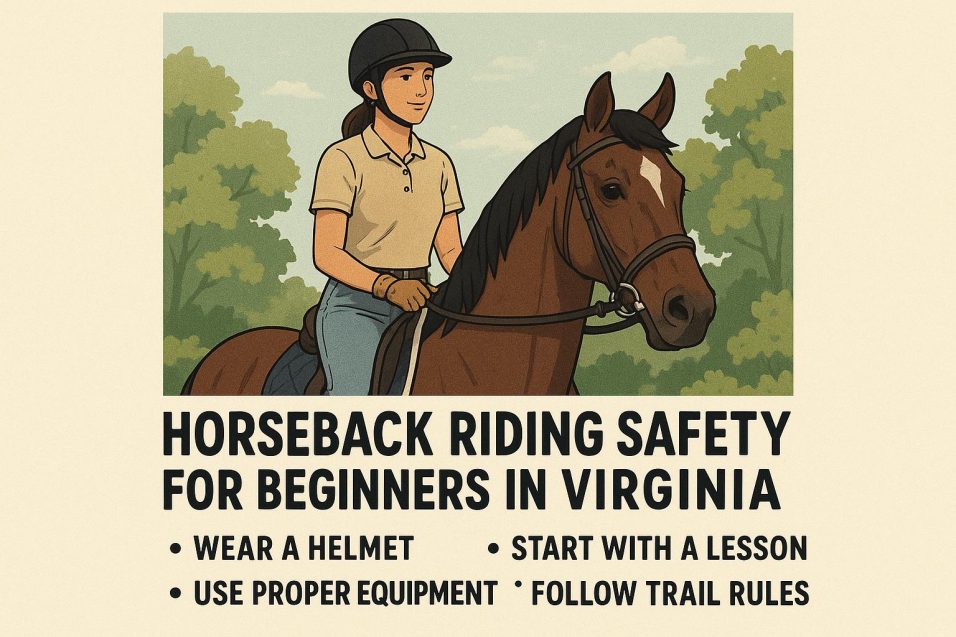
Safety in horseback riding begins with the acquisition of the right equipment. A well-fitted helmet is paramount, offering crucial protection to the rider’s head in the unfortunate event of a fall. It is advisable for riders to invest in helmets specifically engineered for horseback riding, as these are designed to meet the safety standards pertinent to this activity.
In addition to wearing a helmet, choosing the appropriate footwear is equally vital. Riders should opt for sturdy boots equipped with a heel to prevent the foot from slipping through the stirrup, minimizing the risk of injury. Moreover, beginners will find that wearing long pants and gloves enhances comfort and protection against chafing and blisters during rides. These thoughtful choices in gear facilitate both safety and enjoyment, fostering a more secure riding environment.
Choosing the Right Horse
A pivotal aspect of learning to ride involves selecting a horse that appropriately matches the rider’s skill level. It is advisable for beginners to start with a horse known for being calm and well-trained. Such horses are generally more forgiving and easier to handle, thereby reducing the likelihood of unexpected behaviors that could pose challenges to novice riders. In Virginia, numerous stables provide lessons with horses specifically suited for beginners, ensuring a more controlled and secure riding experience. Open communication with instructors regarding the rider’s skill level and any concerns is beneficial in making an appropriate match between rider and horse.
Engaging a Qualified Instructor
The guidance of a qualified instructor is invaluable for those embarking on their horseback riding journey. Experienced instructors can impart the foundational skills of riding, including essential maneuvers such as mounting, dismounting, and effectively cueing the horse. They also emphasize the significance of maintaining proper body position and balance, which are critical for rider control and safety.
In Virginia, aspiring riders can find a broad range of stables offering lessons from certified instructors. These professionals play an instrumental role in enhancing the learning experience by tailoring instruction based on the individual needs of beginners. Consulting resources such as the American Riding Instructors Association can provide further information on available riding schools within the region.
Knowing the Local Trails
Virginia’s diverse terrain offers a multitude of trails that are well-suited for beginner riders. Before venturing out, it is crucial for riders to gain familiarity with their selected trail and ensure compliance with any specific guidelines or restrictions applicable to the area. Certain trails may have protocols regarding the use of mobile applications, photography, or interactions with local wildlife. Conducting comprehensive research about the trail can greatly enhance the enjoyment of the ride while minimizing the potential for unexpected encounters or challenges.
Furthermore, many parks and reserves, such as the Virginia State Parks, offer detailed trail maps and safety guidelines, which serve as valuable resources for novice riders seeking to navigate through the expansive landscapes trestled with trails.
Understanding Basic Horse Behavior
Gaining insight into basic horse behavior significantly bolsters safety for novice riders. As prey animals, horses can exhibit heightened sensitivity to sudden movements or noises, prompting them to startle. Hence, approaching horses with a sense of calm and gentle speech is advisable to avoid spooking them. Being attuned to indicators of discomfort or agitation, such as pinned ears or a swishing tail, is equally important. Having an awareness of these behavioral cues aids riders in managing and preventing challenging situations more effectively.
Practicing Safe Riding Techniques
Beginner riders should emphasize the practice of safe riding techniques to reinforce their proficiency and ensure continued safety. Key elements include maintaining a relaxed posture, utilizing the reins with a gentle touch, and keeping heels down to enhance stability on the saddle. Further, maintaining a heightened awareness of the surrounding environment and the presence of other trail users is instrumental in preventing accidents and ensuring a harmonious riding experience.
Engaging in supervised practice, particularly in mounting and dismounting, can nurture confidence and progressively build the rider’s skillset. The oversight of an experienced rider or instructor during these exercises is advised, fostering a supportive environment conducive to learning and growth.
Through the integration of these comprehensive horseback riding safety tips, beginners in Virginia can significantly enhance their riding experience. The emphasis on safety serves not only to prevent accidents but also to amplify enjoyment, facilitating a genuine connection with these magnificent animals and the scenic beauty that Virginia’s landscapes have to offer.