

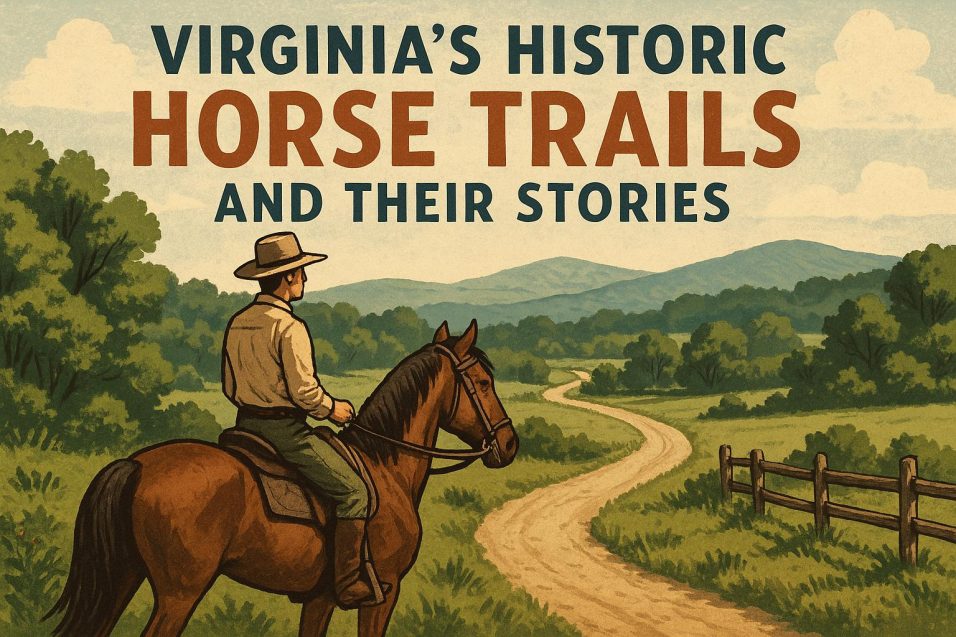
Understanding Virginia’s Equine Legacy
Virginia, often celebrated for its idyllic landscapes and rich history, holds a profound and deep-seated connection with equestrian practices that date back several centuries. The state’s horse trails are not only routes through picturesque scenery but also serve as a portal into the historical narratives that have shaped the region. These trails wind through diverse terrains, from the gentle undulating hills to dense, lush forests, each section offering a glimpse into the past life and times of the people and horses that traversed these paths.
Colonial Virginian Routes
In the colonial days, long before automobiles dominated the roads, horses served as the primary mode of transport. This transformed Virginia into a key hub of connectivity. Many trails from this era have withstood the test of time and remain well-trodden paths to this day. These routes were vital, linking the grand plantation homes with burgeoning commercial centers and thriving ports along the coast. The trails facilitated not only the transport of goods but also the exchange of ideas and culture. They were instrumental in the early economic boom of the area, serving as arteries of commerce and communication that ensured the sustenance and growth of the colonial society.
The Role of Horses in the Revolutionary War
The significance of Virginia’s equestrian trails rose dramatically during the Revolutionary War. For the armies in the field, horses were not just a means of swift transportation but a strategic advantage, critical for the movement of troops and efficient communication across the terrain. The state’s fertile land provided both battlegrounds and sanctuaries, where forces could regroup and plan their next moves. Today, visitors can explore these trails that still bear historical markers, memorializing the pivotal events and influential figures who once navigated these routes, contributing to the nation’s quest for independence.
Notable Trails and Routes
Among the myriad trails, certain paths stand out for their historical and cultural significance. The Manassas National Battlefield Park is a site where horses played an integral role in the historical battles fought there. Another significant trail is the Virginia Creeper Trail, which has a storied past as a Native American footpath. Over time, it has witnessed the footsteps of soldiers, settlers, and travelers alike. These trails are more than just physical paths; they are woven into the fabric of Virginia’s equestrian heritage, telling stories of transformation and continuity. Resources such as the National Park Service offer detailed insights into these trails, further enriching the visitor’s exploration.
Equestrian Trails of Today
In contemporary Virginia, the equestrian tradition continues robustly, with a strong commitment to preserving and promoting these historic horse trails. Modern usage of these trails honors their historical importance while offering ample recreational opportunities. They serve as educational platforms where visitors can garner insights into past lifestyles, transportation modes, and the strategic importance these trails once held.
Modern Usage of Historic Trails
Today, equestrians can ride along these storied paths, following in the footsteps—or hoofprints—of colonial-era travelers and Revolutionary soldiers. Take, for instance, the Shenandoah Valley, a favored destination for horse riders. This place not only offers extensive networks of trails but also immerses riders in a landscape that resonates with historical echoes, allowing for a tangible experience of the region’s rich past. Preservation of these trails is a collective effort, undertaken by various organizations dedicated to maintaining their natural beauty and historical authenticity.
Preservation and Education
Virginia has seen numerous initiatives aimed at safeguarding the integrity of these horse trails while enlightening the public on their historical contexts. Through events, educational programs, and guided tours, the public is invited to delve deeper into the stories that these trails tell. These activities underscore the trails’ importance in the overarching narrative of American history, expanding the public’s appreciation of the multifaceted roles these paths have played. For those interested in visiting these trails, resources and information are readily available through the Virginia Tourism Corporation, providing a gateway to a deeper understanding of Virginia’s equine past.
Conclusion
Virginia’s horse trails are more than mere routes; they are vibrant, living monuments to the state’s historical heritage. Through thoughtful maintenance and a dedicated effort to share their stories, these trails offer a unique lens through which the equestrian past can be appreciated and understood by both visitors and locals. By tracing these pathways, one not only journeys through Virginia’s landscapes but also through time, exploring the interconnected roles that horses and trails have played in shaping the state’s history and cultural identity. Through this ongoing engagement with Virginia’s equestrian history, a rich legacy is preserved, honored, and continually explored.