
The Historical Context
The integration of equine culture and viniculture in Virginia is deeply rooted in the past, setting the stage for an intriguing confluence of these traditions. This state, recognized for its comprehensive historical narrative, offers a backdrop where the legacy of horse breeding and wine-making has evolved concurrently. Whether it is through historical records or current practices, the relationship between horses and vineyards is not merely nostalgic but also functional and aesthetically pleasing in Virginia’s landscape.
The Role of Horses in Vineyards
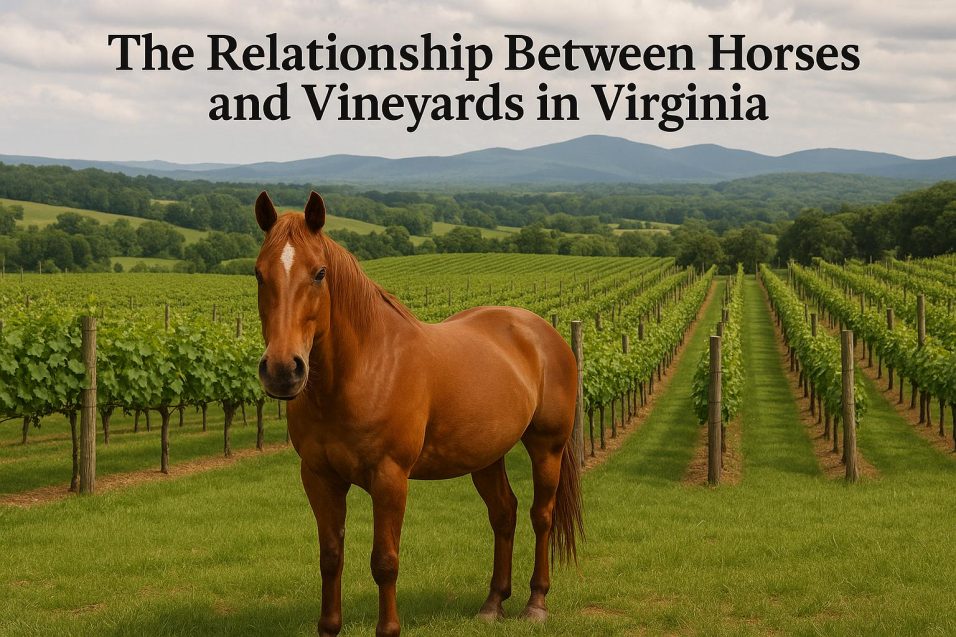
In the past, horses were indispensable in agriculture, vineyards included. Serving as the primary source of power, they plowed fields and transported materials with strength and reliability. As modern machinery began dominating agricultural fields, the ubiquitous presence of horses declined; however, they have not entirely vanished from Virginia’s vineyards. Today, some vineyards choose to maintain the tradition of employing horses, supporting both sustainable practices and historical authenticity. Their gentle nature and their hooves, which do not compact the soil as machines might, are particularly beneficial in several vineyard terrains where the ground quality can easily be disrupted by heavy machinery.
Vineyard owners appreciate the impact of horse-inclusive agricultural practices. This method is regarded as both environmentally friendly and a nod to agrarian traditions. The ecological benefits of utilizing horses cannot be overstated; with their non-invasive nature, horses contribute to preserving soil structure and promoting biodiversity. Moreover, the choice to employ horses mitigates carbon emissions, setting a sustainable precedent for all agricultural practices.
Ecotourism and Leisure
Virginia’s scenery provides an ideal setting for a unique type of ecotourism, where vineyards and equestrian activities have created a harmonious blend. This fusion of horse riding and wine culture attracts a diverse spectrum of tourists—from seasoned wine aficionados to tourists keen on exploring equestrianism in-depth. Many vineyards offer horseback wine tours and equestrian trails, elevating the vineyard experience beyond traditional wine-tasting activities.
These experiences offer visitors a distinct and enjoyable perspective of the landscape, often encouraging them to engage with Virginia’s natural beauty more profoundly. Experiencing vineyards atop horses, tourists encounter an enriched perspective of the rolling terrains and expansive vineyards. It is an experience that captivates both the imagination and senses, bridging the gap between nature, tradition, and modern leisure.
Vineyard Aesthetics and Equestrian Influence
Adding to their functional role, horses contribute significantly to the aesthetic appeal of Virginia’s vineyards. Their presence complements the picturesque charm these venues strive to convey, amplifying the elegance associated with both wine-making and equestrian pursuits. Elements synonymous with equestrian design, such as open fields and rolling hills, resonate with Virginia’s wine country image, echoing the stately representation akin to horse farms and adding to the state’s distinctive rural allure.
This aesthetic influence extends beyond mere appearances. It reflects a cultural coordination between agricultural practice and landscape design; both fields prioritize harmony and natural beauty, culminating in a sensory experience that is visually striking and culturally rich. The cultivation of vineyards in this context becomes a canvas where history, nature, and art coexist, forming an image that is intrinsic to Virginia’s identity.
Conclusion
The interrelation of horses and vineyards in Virginia is profound, touching upon historical continuity, functionality, and aesthetic contributions. Despite the technological advancements in vineyard operations reducing the practical use of horses, their presence weaves a narrative that honors historical legacy while promoting sustainable agricultural practices. The junction of equine culture and viticulture provides depth to Virginia’s cultural and tourism landscape.
This integration enhances the state’s tourism appeal, offering insights into traditions while presenting modern ecological engagements. Moreover, it plays a crucial role in promoting sustainable practices and reinforcing the cultural fabric that characterizes Virginia. By continuing to honor such traditions, Virginia does not only remember its past but also enriches its cultural identity, thereby creating a holistic environment where history and present-day interests converge.