

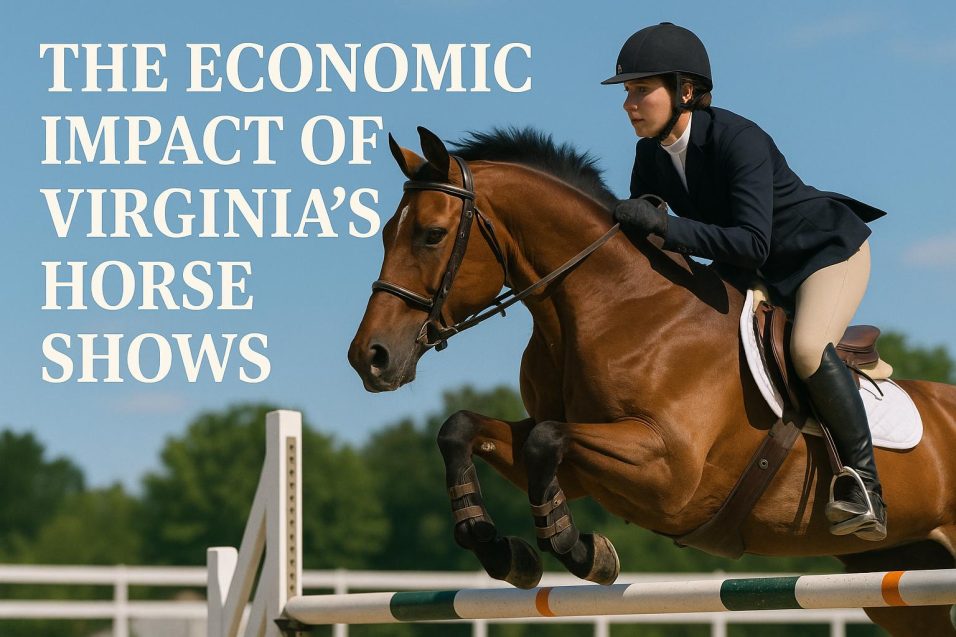
The Economic Influence of Virginia’s Horse Shows
Virginia, a state known for its rich history and natural beauty, also stands as a significant player in the equestrian world. Horse shows in this region are more than just events of sport and leisure; they have substantial economic implications for the state and local communities. This article explores the various economic impacts stemming from Virginia’s horse shows.
Boost to Local Economies
The presence of horse shows in Virginia significantly contributes to local economies. Towns and cities hosting these events experience an influx of visitors, including participants, spectators, and vendors. This increase in traffic results in higher demand for accommodations, dining, and various other services. Consequently, local businesses, from hotels to restaurants and retail stores, benefit from increased sales and overnight stays. These visitors contribute significantly to the local economy by spending on lodging, meals, transportation, and entertainment, thereby injecting fresh capital into the community. The ripple effects of such spending extend beyond the immediate businesses, as the need for supplies and services from local vendors increases. For example, bakeries might see increased orders for catered meals, while florists provide decorative arrangements for event spaces. These interactions promote a vibrant local economy that flourishes due to the presence of horse shows.
Job Creation and Employment Opportunities
Horse shows create numerous job opportunities within the community. These events require a wide range of personnel, including event organizers, stable workers, veterinarians, and security personnel. In addition, temporary employment opportunities may arise in catering, parking, and merchandise sales. The preparation and execution of horse shows necessitate the hiring of additional staff, thereby offering both full-time and part-time job opportunities. Beyond the direct employment, a thriving local ecosystem supports ancillary services such as transportation for equestrian teams, veterinary assistance, and even entertainment services. This comprehensive engagement of human resources not only fulfills the logistical needs of horse shows but also enriches the local economy by reducing unemployment and providing skill enhancement and learning opportunities for residents. The necessity for continued maintenance of facilities and services further supports stable year-round employment, offering sustained financial input into the community.
Impact on the Equestrian Industry
The equestrian industry itself experiences considerable growth due to horse shows. These events encourage sales and leases of horses, as well as transactions related to equine care products and services. Additionally, horse trainers, riding instructors, and breeders find more opportunities to showcase and promote their expertise and enterprises, thereby fostering industry growth. By participating in these shows, equestrian professionals gain visibility for their horses and services, helping to improve their reputation and market reach. This visibility translates to increased demand for lessons, training sessions, and horse sales, with far-reaching effects on the financial health of those involved in the equestrian field. Furthermore, the expansive dealings in the industry create a network of trade and partnerships that promote innovation and development in equine care, breeding technology, and training methodologies.
Increased Tax Revenue
Municipalities benefit from the increased tax revenue generated by horse shows. This revenue stems from multiple sources, including sales taxes on goods and services, occupancy taxes from hotels, and other local taxes applicable to event-related expenses. The influx of visitors, participants, and businesses associated with horse shows significantly boosts the overall income and financial standing of local governments. These funds support the development of infrastructure and community programs, providing further economic benefits. Local governments can use these funds to improve public services, enhance safety measures, and invest in sustainable community projects. Additionally, this increased revenue can ease the tax burden on residents by reducing dependency on local taxes for funding public initiatives, thereby leading to a more balanced and robust economy.
Infrastructure Development
The need to accommodate and host major horse shows often leads to improvements in local infrastructure. This includes the development of arenas, exhibition spaces, and other facilities that can be utilized for additional events throughout the year. Funding and investments aimed at expanding and upgrading local infrastructure benefit not only equestrian events but also create versatile spaces for a variety of other activities such as concerts, fairs, and sporting events. Improved infrastructure not only enhances the capacity to host larger events but also boosts the appeal of the area as a tourist and event destination. The introduction of new facilities and the improvement of existing ones result in better transportation links, more efficient services, and improved aesthetics, subsequently attracting both domestic and international visitors. This attraction endeavors to uphold Virginia’s reputation as a vibrant and hospitable destination for diverse and high-profile events.
Community Engagement and Cultural Enrichment
Beyond economic impacts, horse shows in Virginia foster a sense of community engagement and cultural enrichment. These events bring together people from varied demographics and geographies, promoting interaction and cultural exchange. Local artisans, craftspersons, and performers get a platform to showcase their skills and products to a wider audience, enriching the cultural tapestry of the region. Visitors and locals alike enjoy festivities that often accompany horse shows, such as parades, exhibitions, and entertainment shows, creating memories and establishing traditions. Schools and educational institutions find it an excellent opportunity to partake in experiential learning and community service programs focused on organizing, conducting, and volunteering at these events. This involvement not only teaches valuable life skills but also imbues a sense of pride and community cohesion among residents.
Conclusion
Virginia’s horse shows are much more than equestrian events; they are a driver of economic activity and employment. They enhance local economies, contribute to tax revenues, and promote infrastructure development. As horse shows continue to grow in popularity and scale, they present an enduring opportunity for economic development and community enrichment. By engaging local stakeholders, fostering industry growth, and enhancing cultural connections, Virginia’s horse shows stand as pivotal events that have a lasting impact on both the local and state-wide economic landscape. As such, these events play an indispensable role in shaping not only economic trajectories but also defining the vibrant cultural and social facets of Virginia’s communities.