
The History and Significance of Horse Breeding in Virginia
Virginia has a storied past in the field of horse breeding, tracing its roots back to the early colonial period. Its significance in the equine industry is renowned, particularly in the breeding of Thoroughbreds and various other horse breeds that have excelled in disciplines such as racing, show jumping, and other equestrian pursuits. The state’s diverse landscape, comprising lush pastures and undulating hills, offers an ideal setting for horse breeding, supported by its moderate climate and fertile soil that facilitate the healthy development of horses.
The Genetic Science of Horse Breeding
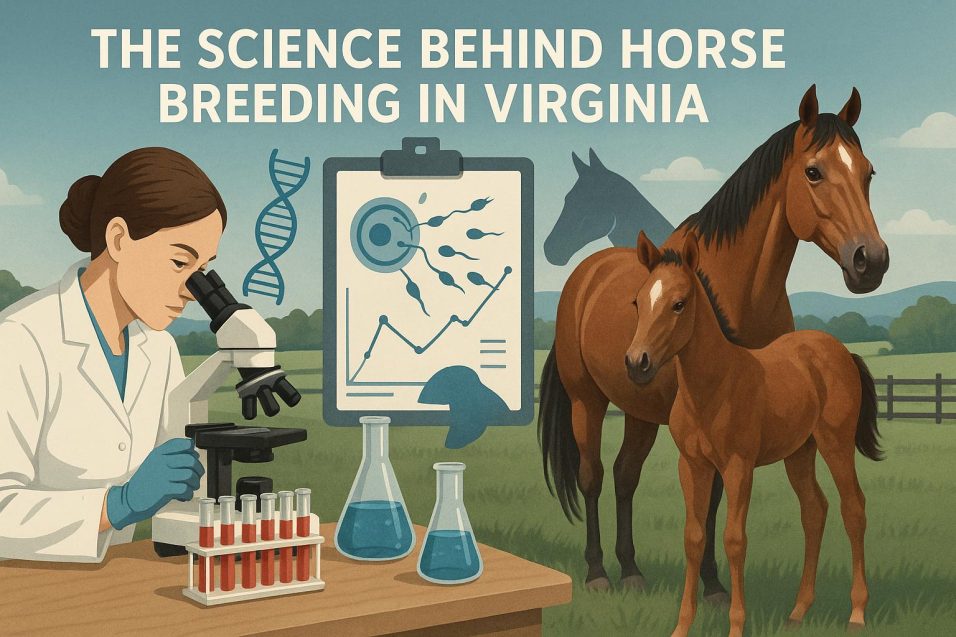
The foundation of horse breeding is deeply embedded in genetics. Breeders in Virginia, akin to their peers elsewhere, prioritize selective breeding to cultivate horses that exhibit favorable characteristics, including speed, agility, strength, and temperament. The advent of modern genetic tools has significantly enabled breeders to predict and enhance these traits by analyzing and understanding the genetic composition of horses.
Genetic Testing and Selection
Recent advancements in genetic technology have revolutionized breeding practices within Virginia. By employing genetic testing, breeders can pinpoint specific genes responsible for particular traits. This scientific knowledge is employed to make informed breeding decisions. For instance, insights into genetic markers that relate to speed can be crucial for improving racing performance by optimizing pairings that are genetically predisposed to producing superior racehorses.
Breeding for Health and Performance
In addition to focusing on physical characteristics, ensuring genetic diversity is essential for maintaining the health of horse populations. By incorporating genetic screening into their practices, breeders work to minimize the prevalence of inherited diseases and conditions. Such measures are vital for sustaining optimal health and performance levels, which are crucial factors for horses that compete in athletic competitions or are used in recreational activities.
The Role of Environment in Equine Development
While the genetic aspect plays a pivotal role, the environment also significantly influences the development of horses. The environment in Virginia, characterized by a temperate climate and nutrient-rich lands, supports the comprehensive growth and development of horses. The quality of the soil, for instance, contributes to enriching pastures that ensure a balanced diet, fostering robust bone development and overall health.
Training and Conditioning
The upbringing and training processes for horses in Virginia are meticulously orchestrated. Skilled trainers implement well-established methods to condition horses, honing their innate abilities. The focus is on nurturing agility, strength, and endurance—attributes that are crucial across various equestrian disciplines. Training regimens commonly involve a blend of exercises, strict dietary plans, and routine veterinary oversight to ensure the well-being and peak performance of the horses.
Technological Advances in Breeding Practices
Technological innovations continue to transform breeding practices in the region. New methodologies such as artificial insemination and embryo transfer have been instrumental in expanding genetic diversity while enhancing breeding efficiency. Moreover, digital tools are increasingly being used by breeders to maintain comprehensive databases on bloodlines, health histories, and performance results, which are invaluable for refining breeding strategies.
Artificial Insemination and Embryo Transfer
These cutting-edge reproductive technologies empower breeders to enhance desired genetic traits without being restricted by geographical constraints. They permit the selection of optimal genetic matches, thereby improving the likelihood of producing high-caliber offspring. Additionally, these technologies play a crucial role in preserving the genetic legacy of exceptional horses, facilitating future breeding initiatives and preserving valuable bloodlines.
Conclusion
The science behind horse breeding in Virginia represents a dynamic blend of age-old wisdom and modern scientific advances. As breeders increasingly integrate emerging technologies and genetic insights, the enduring legacy of the state in producing high-quality horses remains robust. For those interested in gaining further knowledge about horse breeding practices, various resources such as the Horse Racing Nation offer in-depth information and support for those engaged in or interested in equine-focused education and research.