
Introduction to Equine Therapy
Equine therapy, sometimes referred to as horse therapy, is an innovative therapeutic approach that involves interactions between individuals, particularly those with mental health conditions, and horses. This method has shown significant promise, especially among veterans who confront a variety of challenges such as post-traumatic stress disorder (PTSD), depression, and anxiety. In recent years, this form of therapy has gained traction in Virginia, where programs specifically designed for veterans are proving to be invaluable resources. These programs serve as alternative therapeutic channels, often complementing traditional methods of therapy and providing unique benefits that other therapies may not offer.
Understanding Equine Therapy
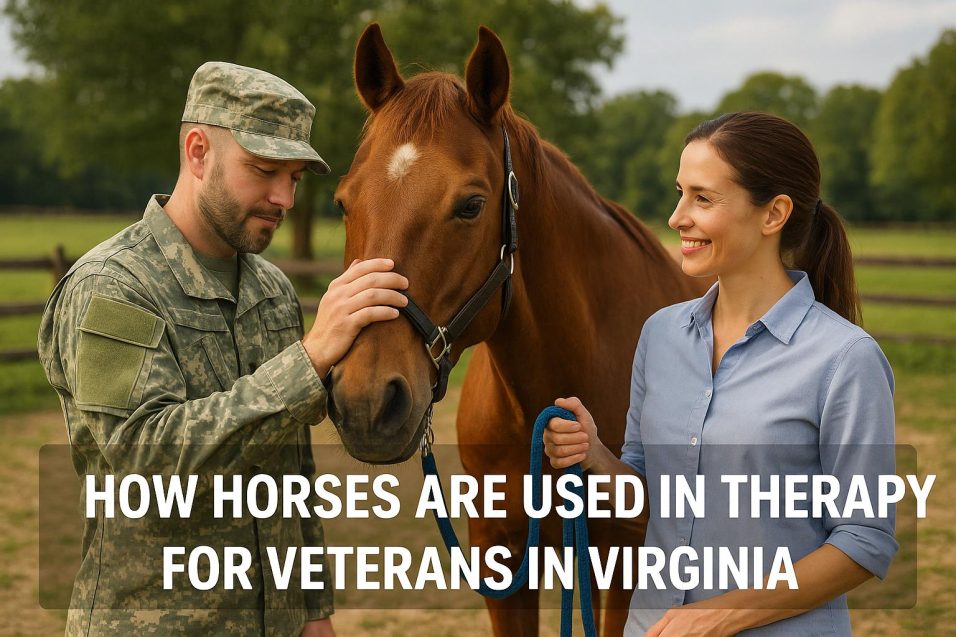
The essence of equine therapy lies in the profound horse-human interaction. Horses possess a remarkable sensitivity to human emotions, an attribute that allows them to act as mirrors, reflecting the emotional states of the humans they interact with. This quality of horses is pivotal in facilitating emotional growth and healing for veterans. In equine therapy sessions, horses provide non-verbal feedback, assisting individuals in gaining a deeper understanding of their emotions.
The activities involved in equine therapy, such as grooming, leading, and riding horses, promote non-verbal communication and trust, which can significantly help in stabilizing emotional responses. For veterans, these practices are particularly beneficial, offering a pathway to self-discovery and enhancing emotional regulation. Trust-building is a cornerstone of equine therapy, and through these interactions, veterans learn to extend trust, not just to the horses, but also to themselves and eventually to others within their communities.
Benefits of Equine Therapy for Veterans
Participation in equine therapy can lead to a multitude of beneficial outcomes for veterans. It is important to note that these advantages contribute to the overall mental health and well-being of the veterans while offering an enriching, therapeutic experience.
1. Reduction of PTSD Symptoms: Several studies have pointed out that interacting with horses can result in a noticeable reduction in PTSD symptoms. The very nature of horse care, which requires focus and presence, provides veterans with structured, calming activities. These activities can include brushing horses, feeding them, and leading them around a paddock. The calming, rhythmic motions involved in such interactions help veterans find a respite from intrusive memories.
2. Enhanced Emotional Healing: One of the significant components of equine therapy is the safe environment it creates for emotional exploration. The inherently non-judgmental and gentle nature of horses invites veterans to delve into their emotions, often leading to openness and active emotional processing. The therapeutic bond formed with the horse offers veterans a supportive space to express vulnerabilities and gradually heal from past traumas.
3. Improved Social Skills: An often overlooked aspect of equine therapy is its social dimension. Many programs incorporate group therapy sessions, where participants engage in activities with horses alongside other veterans. This setup fosters the development of social skills as veterans work collaboratively, share experiences, and provide mutual support. Such group dynamics cultivate a sense of camaraderie and community, significantly benefiting veterans who may have otherwise felt isolated or withdrawn.
Equine Therapy Programs in Virginia
Virginia, with its rich equestrian heritage, hosts a multitude of equine therapy programs specifically tailored for veterans. These programs are often operated by licensed professionals who possess an in-depth understanding of both equine management and therapeutic practices. The structured sessions provided by these programs include therapeutically designed activities such as horseback riding, grooming, and ground exercises, each targeting specific aspects of mental and emotional health.
Veterans interested in availing of these programs have several access points. They can consult VA Medical Centers throughout the region or reach out to local veteran service organizations that partner with equine therapy providers. These avenues ensure that veterans have access to high-quality, evidence-based therapeutic interventions that cater to their unique needs.
Conclusion
In conclusion, equine therapy stands out as a valuable and effective alternative healing method for veterans across Virginia who are grappling with various mental health challenges. Through meaningful and personal interactions with horses, veterans gain access to a therapeutic process that enables them to find solace, develop effective coping mechanisms, and work towards rebuilding their lives post-service. As equine therapy programs continue to grow and demonstrate their success, their importance as a complementary approach to traditional forms of therapy becomes increasingly evident.
Further Exploration
For those who are interested in delving further into the capabilities of equine therapy or exploring opportunities to participate in these programs, reaching out to veteran service organizations within Virginia is recommended. Additional resources and up-to-date information about therapy services available in the state can be found by visiting the official state website at Virginia.gov. This platform provides a central point for accessing information on a wide range of supportive services tailored to enhancing veterans’ well-being.