
The Historical Context of Horse Shoeing in Virginia
The art of horse shoeing, also known as farriery, has a rich history in Virginia, tracing back to the colonial era. The Commonwealth’s agrarian society, which relied heavily on horses for transportation, farming, and trade, necessitated the expertise of skilled farriers. The practice evolved over time to accommodate the changing needs of various industries and advancements in technology.
The Role of the Farrier
A farrier in Virginia traditionally combines the skills of a blacksmith with veterinary knowledge. The primary responsibility of a farrier is the shoeing of horses, which involves cleaning, trimming, and balancing horse hooves. By ensuring that the shoes are properly fitted, farriers contribute significantly to the horse’s overall health and functionality. Given that Virginia has a significant equestrian community, the demand for well-trained farriers remains strong.
The farrier’s role extends beyond shoeing, as they also play a critical part in diagnosing and correcting hoof-related issues. As part of their duties, farriers inspect hooves for signs of wear, injury, or infection and provide guidance on hoof care and maintenance. Their expertise can prevent various health complications, ensuring that the animals remain fit for their intended purposes—be it racing, show competitions, or agricultural work.
The Process of Horse Shoeing
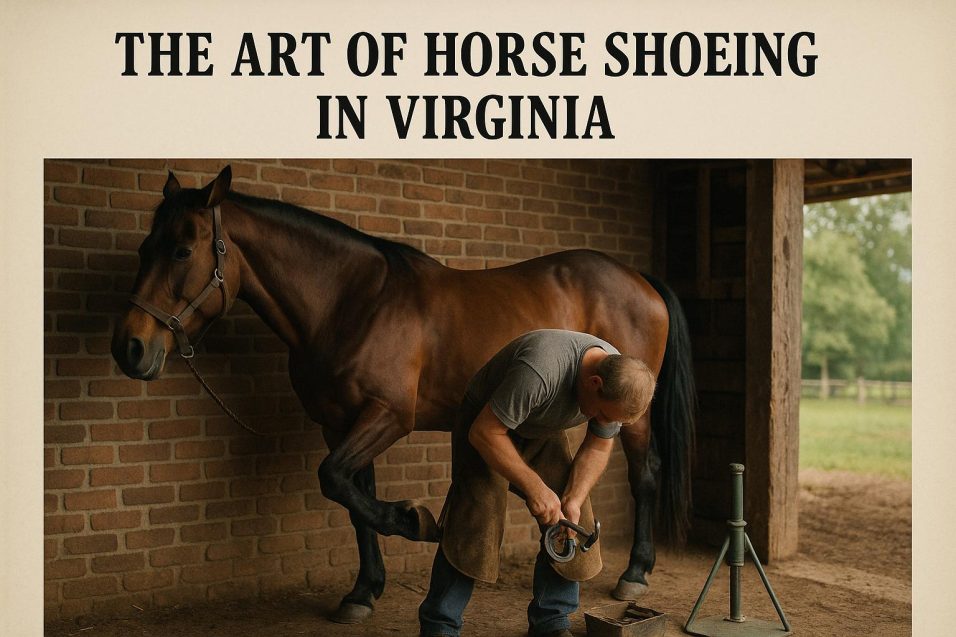
The process of shoeing a horse in Virginia typically begins with a thorough inspection of the horse’s hooves to identify any issues such as cracks or imbalances. The farrier then trims each hoof to the correct shape and size. Shoeing involves heating and shaping a metal shoe to fit the hoof precisely, which is then secured using nails. The shoeing process requires precision and expertise to avoid injury to the horse.
A well-fitted shoe not only provides protection to the horse’s hooves but also enhances its performance. Farriers must have a keen understanding of equine anatomy to ensure that the shoes do not impede the natural movement of the horse. This requires a blend of skill, experience, and a deep understanding of individual horse needs, as each animal may have different requirements based on its breed, age, and workload.
Traditional vs. Modern Techniques
Farriery techniques in Virginia, as in many places, have gradually incorporated modern advancements. While traditional methods are still prevalent, contemporary innovations have introduced new materials such as rubber or plastic for specialized shoes. These materials offer benefits like reduced weight or greater shock absorption, which are particularly advantageous for horses with specific health needs or performance requirements.
Modern farriers also have access to advanced tools that improve efficiency and accuracy, such as electrically powered grinders and trimmers. These tools allow for more precise cuts and shapes, enabling custom fitting of shoes that match the hoof’s unique contours. Additionally, technological advances have led to software and mobile applications that assist farriers in diagnosing hoof issues and planning corrective measures, further enhancing the accuracy and effectiveness of their work.
Resources and Training
In Virginia, aspiring farriers benefit from access to an array of training programs and workshops that provide education in both traditional and modern shoeing techniques. These educational opportunities come from reputable institutions and professional organizations, which often offer certifications, workshops, and resources tailored to enhance skill sets. Organizations such as the American Farrier’s Association and the Virginia Farm Bureau often support these efforts by promoting standards and offering educational resources that keep farriers informed about the latest practices and technologies.
Completing a formal apprenticeship under an experienced farrier is another common path to becoming a skilled professional in the field. Apprenticeships provide hands-on experience, allowing trainees to learn the intricacies of the trade through direct mentorship and practice. Through this method, aspiring farriers can acquire crucial skills, ranging from basic hoof trimming to complex corrective shoeing techniques, all while gaining valuable insight into business management and client relations.
Preserving the health and performance of horses through careful shoeing remains an essential part of the equine industry in Virginia. This art combines historical techniques with modern innovations, ensuring that horses receive the best care possible. As participants in this tradition, farriers stand as integral figures within the equestrian community, dedicated to the welfare of the horses they serve.
Delving into the nuances of farriery uncovers connections between the past and the present, illustrating how the roles and techniques have transformed over time. However, the core principles—ensuring equine well-being and enhancing performance—continue to be the guiding tenets of this craft. As Virginia’s equine industry continues to grow and evolve, the need for knowledgeable and skilled farriers remains ever present, highlighting the enduring value of this time-honored profession.