

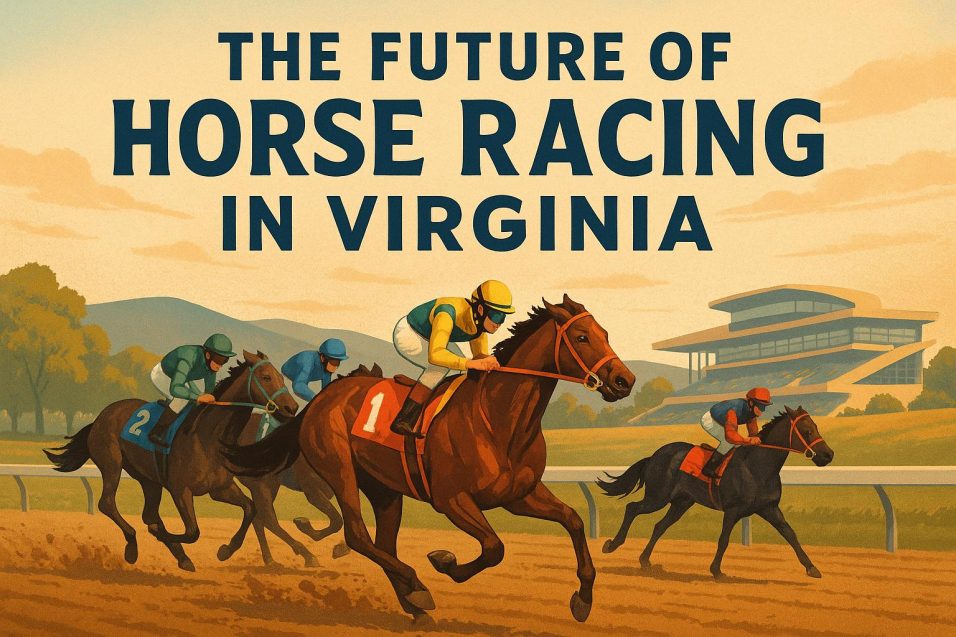
The Current State of Horse Racing in Virginia
Horse racing in Virginia is not just a sport; it’s a tradition rooted deeply in history, tracing back to the colonial era when the excitement of horse racing first captivated audiences in the state. Throughout the years, Virginia has served as a significant hub for horse racing, and today, this history is carried forward by its modern facilities. A key player here is the Colonial Downs racetrack. This prestigious venue reopened its gates in 2019 after being dormant for several years, marking a new chapter in Virginia’s horse racing narrative. At the forefront of regulatory oversight and maintaining the standards of the sport is the Virginia Racing Commission. This body plays a crucial role in ensuring that horse racing in Virginia proceeds with integrity and efficiency, providing a stable platform for the sport to flourish within the state.
Recent Developments
In recent years, Virginia has experienced a series of significant developments that are reshaping the landscape of its horse racing industry. Among these is the revitalization brought about by the pari-mutuel betting terminals and the innovative introduction of historical horse racing (HHR) machines. These new technologies have breathed new life into the sport, offering modern alternatives to traditional betting methods. The result has been a palpable increase in revenue streams for the industry and an elevated fan experience, which together are drawing both seasoned bettors and new spectators to the tracks. These innovations represent not just a change in how the sport is enjoyed but also a reinforcement of its viability in a competitive entertainment market.
Economic Impact
The positive ramifications of these developments are evident across Virginia’s economy. The horse racing industry is a cornerstone of economic activity, with its impact spreading far beyond the confines of the racetrack. Direct financial contributions are evident on race days through ticket sales, betting activity, and hospitality spending. However, the influence of the industry extends much further, creating a ripple effect that benefits various sectors. Employment opportunities abound within the horse racing sector itself, from jockeys to trainers and support staff, providing jobs and injecting income into local economies. Additionally, the industry’s symbiotic relationship with sectors such as hospitality and tourism is significant. Visitors drawn to the racing events boost local businesses, from hotels and restaurants to retail and service industries.
Both urban centers and rural areas across Virginia experience these economic benefits. Rural communities, in particular, gain substantially from horse breeding and training facilities, which are critical to the progress and sustainability of the industry. According to reports, this economic synergy fosters a dynamic interdependence that bolsters Virginia’s economy and enhances community vitality.
Legislative Support
The resurgence of horse racing in Virginia owes much to the proactive stance of the Virginia General Assembly. The Assembly has been pivotal in crafting and implementing legislative measures that have spurred the industry’s growth. Changes in gambling legislation, for instance, have paved the way for expanded betting options, offering patrons more ways to engage with the sport. The authorization of HHR machines is another outcome of these legislative changes, providing a new dimension to the betting experience and playing a crucial role in diversifying the revenue avenues for racing venues.
This legislative support has not simply been about expanding gaming options, but also about ensuring the long-term sustainability of horse racing operations. Competitive purses, made possible through these changes, have attracted top-tier talent to Virginia’s tracks, enhancing the quality of races and boosting spectator interest.
Challenges and Opportunities
Despite these promising advancements, the horse racing industry in Virginia is not without its hurdles. Among the most pressing challenges are animal welfare concerns. Ensuring the humane treatment of horses and addressing safety issues is paramount not only to maintain the sport’s integrity but also to meet public expectations and regulatory requirements.
In the realm of consumer interests, changing preferences present another challenge. The younger audiences that horse racing hopes to captively engage often lean towards diverse forms of entertainment that offer digital interactivity or more modern experiences. Moreover, the industry faces robust competition from other entertainment and gambling avenues, necessitating a fresh approach to capturing and retaining audience interest.
However, where there are challenges, there also lie opportunities for growth and innovation. One such opportunity is enhancing the race-day experience. By focusing on fan engagement, from improving amenities at the racetrack to offering interactive features and entertainment, the sport can secure its appeal across a broader demographic spectrum. Initiatives aimed at increasing transparency in horse care are crucial, as they address public concerns and bolster the credibility of the sport. Additionally, strategic marketing and outreach can better position horse racing as an attractive, family-friendly option that resonates with younger audiences and newcomers alike.
For enthusiasts and those keen on engaging with the future of the sport, information on the racing schedule and events can be conveniently accessed on official platforms, such as the Colonial Downs website.
In conclusion, as Virginia continues to adapt to the evolving dynamics of the horse racing industry, there is a cautiously optimistic outlook for the future. The combination of innovative approaches and sustained legislative support forms a robust foundation for ongoing progress. Horse racing remains not only an integral aspect of Virginia’s cultural heritage but also a vital part of its economic fabric. As the industry continues to evolve, it promises to bring continued excitement and robust contributions to Virginia’s diverse cultural and economic landscape for many more years.