
The Historical Context of Foxhunting in Virginia
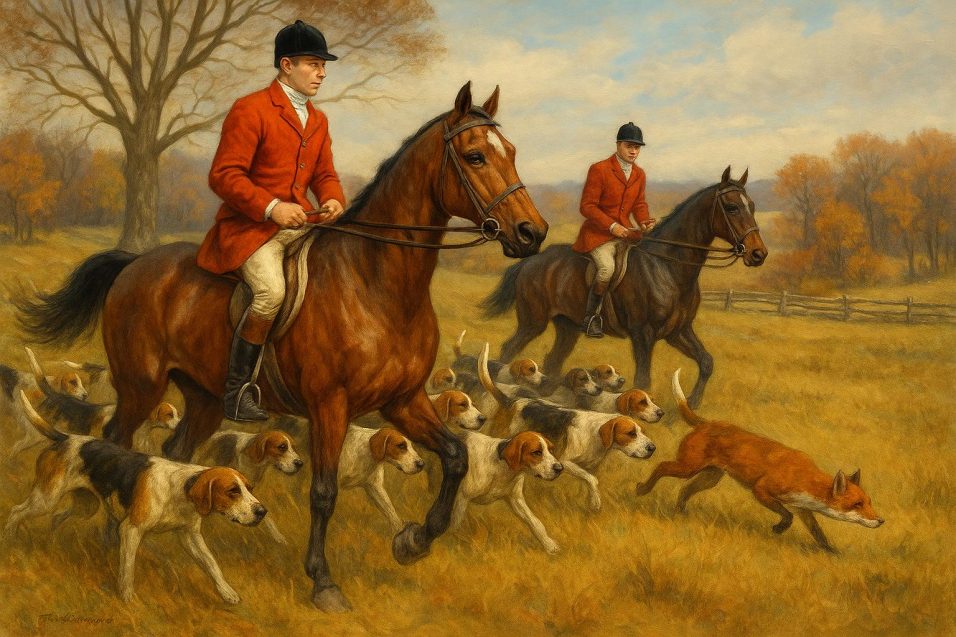
The historical roots of foxhunting in Virginia date back to the arrival of English settlers in the 17th century. This sport, deeply embedded in the cultural fabric of the state, was introduced as part of European traditions and has since evolved into a distinctive component of Virginia’s heritage. The state’s varied terrain, characterized by its rolling hills, expansive fields, and dense woodlands, offers an ideal setting for this equestrian activity. This natural landscape provides the necessary challenges and aesthetic beauty that complement the dynamism of the hunt.
Foxhunting in Virginia aligns with specific seasonal cycles, typically commencing in late autumn and extending through early spring. This period is particularly suitable given the behavior patterns of the foxes, which are more active during these months. The timing of the season aligns with agricultural schedules and the availability of participants, integrating seamlessly into the broader rhythms of life in rural Virginia.
The Essential Role of Horses in Foxhunting
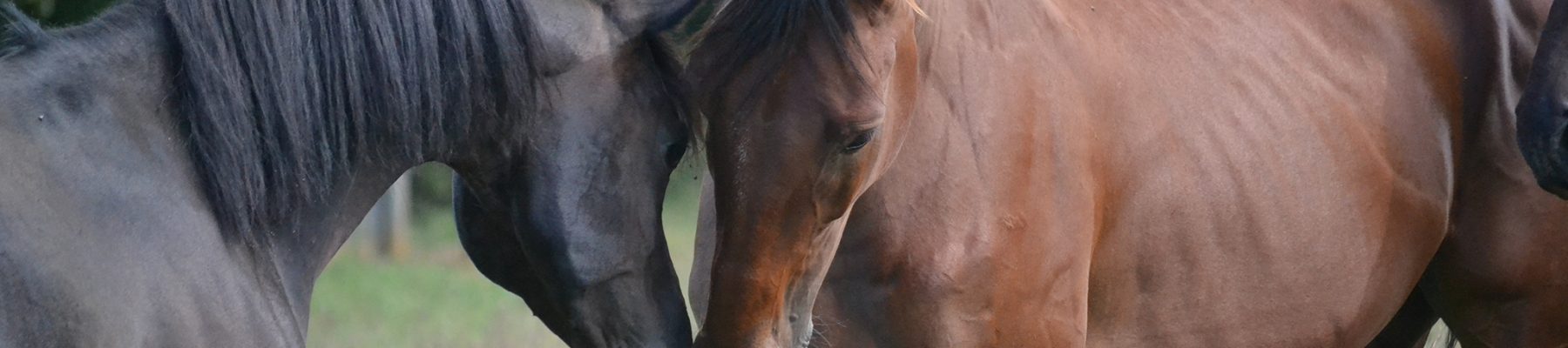
Within the sphere of foxhunting, the role of the horse is indispensable. The nature of the hunt demands that the horses exhibit a blend of endurance, speed, and agility, qualities essential for keeping pace with the fleet-footed fox across diverse landscapes. Horses must navigate a variety of terrains, from open fields and wooded areas to streams and uneven ground, making their physical attributes crucial.
Virginia prides itself on its distinct breed of hunting horses, often a crossbreed of Thoroughbreds and other sturdy breeds. These hybrid horses, commonly referred to as field hunters or hunters, are particularly valued for their blend of stamina and suitable temperament, allowing them to tackle the challenges of the hunt effectively. These horses are expected not only to jump barriers such as fences and ditches but also to maintain composure amidst the excitement and chaos inherent to a hunt.
Training and Breeding of Foxhunting Horses
The process of training horses for foxhunting is intricate and demands significant patience and expertise. It begins with fundamental training in handling and obedience, ensuring that the horse is responsive and manageable. As the training intensifies, there is an emphasis on developing the horse’s ability to confidently approach and overcome the varied terrains and obstacles it may encounter during a hunt.
A critical component of training is fostering a profound connection between the horse and its rider. This bond is vital as it facilitates communication, particularly important for ensuring safety and coordination during the hunt. Trust and understanding between rider and horse can markedly influence their performance and the overall experience of the hunt.
Breeding also plays a pivotal role in preserving the qualities that define a successful foxhunting horse. Breeders in Virginia focus on producing horses that are not only physically adept but also possess an innate disposition conducive to the multifaceted demands of hunting. The ideal foxhunting horse embodies a harmonious blend of endurance, agility, and a calm demeanor, ensuring that it can perform under the exhilarating pressures of the hunt.
The Hunting Experience
Foxhunting in Virginia transcends the mere pursuit of the fox; it is an intricate tapestry of social, cultural, and historical elements that enrich the experience. The hunt is as much about the communal spirit and shared tradition as it is about the actual pursuit. Riders, donning traditional hunting attire, gather at predetermined locations for hunt meets. These gatherings foster camaraderie among participants who share a common passion and appreciation for the sport. The pre-hunt rituals, the vibrant atmosphere, and the collective excitement of the chase contribute to a unique cultural tradition that binds the community.
The presence of horses in these events elevates the experience, infusing the setting with a sense of pageantry. Beyond their functional role, horses symbolize the continuity and legacy of foxhunting in Virginia. They are integral to preserving the charm and appeal of the sport, enhancing both its aesthetic and cultural allure.
Moreover, foxhunting serves as a living connection to Virginia’s past, providing participants with a tangible link to the state’s historical roots. The sport remains a vital aspect of Virginia’s cultural identity, offering an opportunity for participants to engage with the state’s heritage actively.
Overall, foxhunting in Virginia remains a vibrant tradition that underscores the significant role played by horses. These animals are more than mere participants; they are companions in a longstanding tradition that marries sport, culture, and history. For those interested in delving deeper into the nuances of Virginia’s foxhunting scene, local equestrian clubs and organizations offer a wealth of information, resources, and opportunities to engage with this storied practice. Through these channels, individuals can explore upcoming events, training sessions, and guides, ensuring that the rich legacy of foxhunting in Virginia continues to thrive and evolve.