

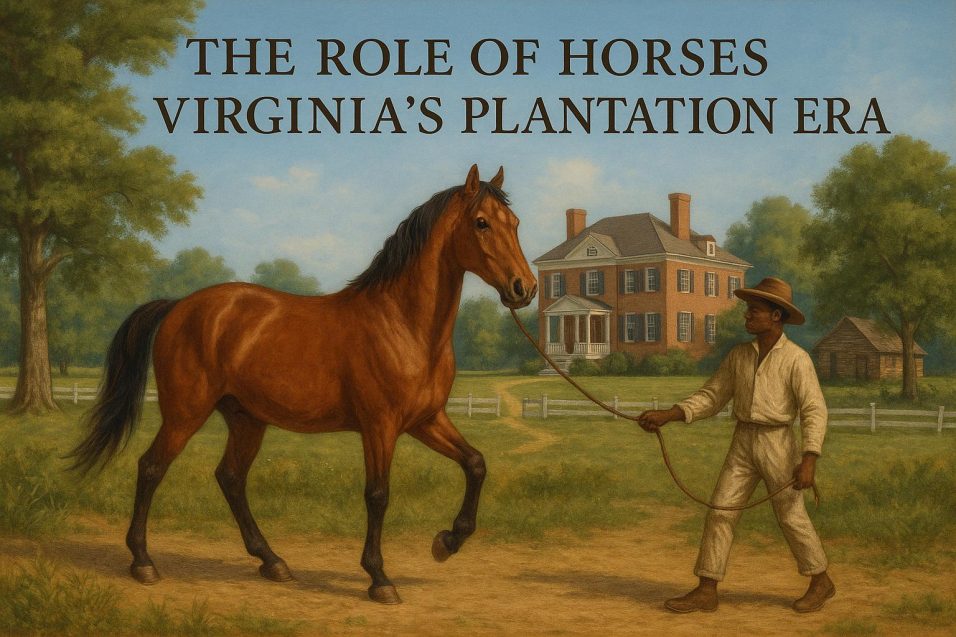
The Importance of Horses in Virginia’s Plantation Economy
In the plantation era of Virginia, horses played a pivotal role in shaping both the economic and social landscapes. These remarkable animals were integral to the daily operations of the plantations, serving not only as beasts of burden but also as symbols of wealth and status. In understanding the importance of horses during this era, one can gain insight into how these creatures influenced the growth and development of the Virginian plantation economy.
Evolving Roles of Horses in Agriculture
During the 17th and 18th centuries, Virginia’s plantations were heavily reliant on horses for various agricultural tasks. The vast fields of tobacco, which was a significant cash crop during this period, required extensive labor to cultivate. Horses were indispensable in plowing these fields and in the transportation of goods. With many plantations spanning large areas of land and often situated on rugged terrain, horses provided the necessary strength and speed to manage these expansive plots efficiently.
The use of horses in agriculture was not limited to tobacco farming. As plantation agriculture diversified, horses became crucial in managing other crops and livestock that supported the plantation economy. Their ability to navigate difficult terrain made them valuable for pulling plows through fields, helping in planting, cultivating, and ultimately, harvesting different types of produce. The animals’ nimbleness and power allowed plantation owners to achieve levels of productivity that would have been impossible with human labor alone.
Transportation and Communication
Horses were not only vital in agriculture; they were also crucial for transportation and communication. Plantations during this time were often scattered in remote areas, far from urban centers. The roads available were rudimentary and often challenging for travel. Horse-drawn carriages and wagons were the primary means by which plantation owners, workers, and their families could traverse long distances. This capability was essential for transporting goods to market and maintaining the social ties that were vital to plantation life.
Moreover, horses facilitated communication among the plantations and other colonial communities. They played a significant role in delivering letters and other forms of correspondence, thereby keeping lines of communication open between different regions. This connectivity allowed plantation owners to maintain economic ties with other colonists, and more crucially, with market centers in Europe where many of their goods were exported.
Social Symbolism and Economic Status
Beyond their practical utility, horses served as powerful status symbols in Virginian society. The type and breed of horse that an individual owned often reflected their economic standing. Wealthy plantation owners would seek out prestigious breeds, which included thoroughbreds known for their speed and grace. These breeds were indicative of prosperity and influence.
The status associated with horse ownership and breed extended across social levels, making horses a key component of social hierarchies during this period. In many ways, the grandeur of a horse mirrored the grandeur of the plantation itself. A well-kept, strong horse was a reflection of the owner’s ability to maintain and control their estate, further underlining their prominence in society.
Breeding and Trade of Horses
The breeding of horses became a specialized industry within Virginia. Plantation owners aimed to improve their stock through selective breeding efforts that enhanced speed, strength, and endurance. This sophistication in breeding not only served local interests but also played a part in international trade.
The trade of horses, whether local or transatlantic, constituted a lucrative aspect of the plantation economy. This trading did not just involve the exchange of the animals themselves but also extended to horse-related goods and services such as saddles, harnesses, and equestrian training. These activities stimulated various sectors of the economy, notably crafts and trade services, which further contributed to the growth of colonies’ trading networks.
Enduring Legacy of Horses in Plantation Culture
As the plantation system expanded and evolved over time, the role of horses remained fundamental. Despite the reliance on manual labor, particularly enslaved labor, horses offered an indispensable complement by enhancing productivity and efficiency.
The impact of horses during the plantation era is clearly recorded in the cultural and economic documents of the time. The legacy of horses can be seen in place names, literature, and folklore that has persisted into modern times, cementing their role in the cultural fabric of Virginia.
For more detailed information about the specific roles and historical significance of horses in Virginia’s plantation economy, resources such as The Virginia Museum of History & Culture provide extensive collections and research on this topic. Through these resources, one can gain greater insight into how these majestic animals shaped the development of the plantation landscape in Virginia. As one delves into this rich history, the intertwining lives of humans and horses in the plantation economy emerge, offering a fuller understanding of the past and its long-lasting effects on society.