
Introduction
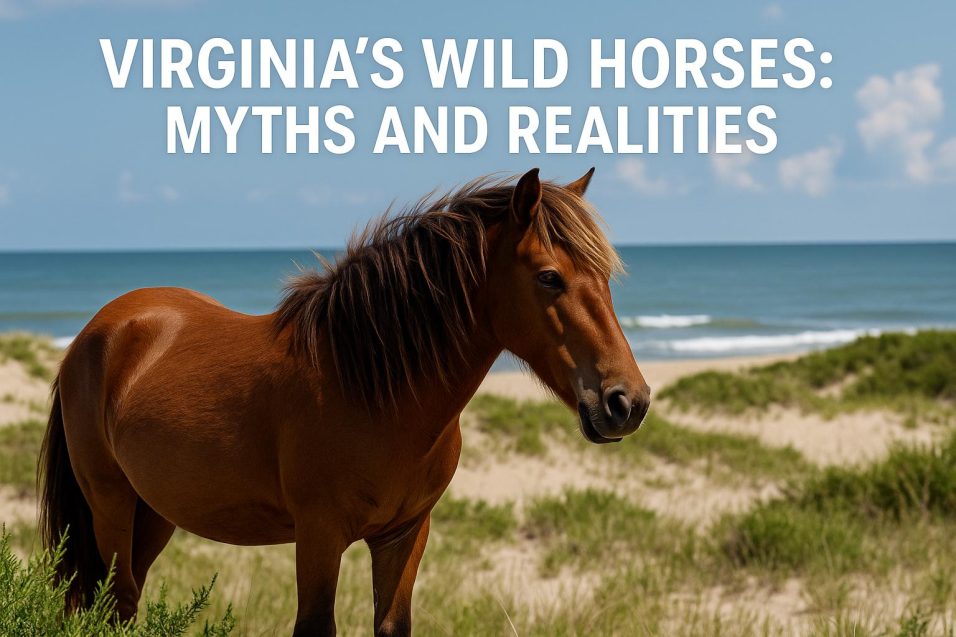
The wild horses of Virginia, particularly those inhabiting the barrier islands, have long captured the interest and imagination of those who encounter them. These remarkable animals, often shrouded in mystery and romanticized through various narratives, represent a distinctive feature of Virginia’s ecological and cultural heritage. The purpose of this article is to elucidate the myths and misconceptions surrounding these iconic creatures while highlighting their real-world significance and challenges.
History of Virginia’s Wild Horses
The story of Virginia’s wild horses is one that dips into the realms of myth and history, resulting in a rich tapestry of speculative origins. It is a common belief that these horses are descendants of Spanish mustangs that miraculously survived shipwrecks along the mid-Atlantic coast, thus finding a new home on the shores of Virginia. However, historians often find this theory lacking in substantial evidence. Alternatively, another plausible scenario is that early European settlers introduced these horses to the region, whether as a source of labor or due to other needs. Irrespective of their true origins, there is little doubt that these horses have been a part of the region’s fabric for centuries, evolving to withstand the sometimes harsh and unpredictable conditions of their coastal environment.
Ecological Impact
The presence of wild horses on Virginia’s barrier islands adds a layer of complexity to the ecosystem, playing a dual role in both contributing to and sometimes challenging ecological balance. Their grazing habits shape the landscape: by feeding on marsh grasses, they assist in controlling vegetation growth, thereby maintaining open habitats crucial for various species. This natural form of landscape management supports the diversity of the ecosystem by preventing the overgrowth of certain plant species that could dominate if left unchecked. Nonetheless, the horses’ role is not without its downsides. Overgrazing poses a significant threat, leading to soil erosion and habitat degradation. Such negative impacts can disturb native flora and fauna, throwing the ecological balance into disarray. Therefore, astute management of their population and grazing areas is essential to safeguard the health of these ecosystems.
Management Strategies
Efforts to manage the wild horse populations on Virginia’s barrier islands are multifaceted, aimed at minimizing their negative impacts while ensuring their continued presence. For instance, Assateague Island is home to management practices led by organizations like the Chincoteague Volunteer Fire Company. These entities perform annual pony roundups and auctions, which serve a dual purpose: controlling the horse population at sustainable levels and generating revenue that benefits local communities. These events are much more than ecological necessities; they provide cultural and economic contributions, reinforcing the interconnectedness of human and natural systems in the region. For further details on these management activities, one may consult resources such as the Chincoteague Pony Swim Guide.
Cultural Significance
The cultural resonance of Virginia’s wild horses extends far beyond their ecological impact. These animals are deeply embedded in the local cultural lexicon, celebrated annually during festive events like the Chincoteague Pony Swim. Such occasions draw crowds in the thousands, fostering community spirit and bolstering the local economy through tourism and commerce. Beyond the immediate economic benefits, these events also contribute to the cultural identity of the region, symbolizing the values of resilience and freedom that many hold dear. The wild horses are frequent subjects in various artistic and literary works, cementing their status as symbols that transcend their physical presence.
Challenges and Misconceptions
Despite the wild horses’ storied place in the region’s culture, several misconceptions persist about their nature and existence. A widespread myth is that they exist in complete harmony with their surroundings, thriving without any need for human assistance. In truth, their survival is intricately linked to human interventions, ranging from population control to habitat maintenance. Without such measures, the delicate balance between the horses and their environment could easily tip towards unsustainability. Correcting such misconceptions involves educating both residents and tourists about the symbiotic relationship that has formed over time and the ongoing efforts required to maintain this balance.
Conservation Efforts
Addressing the needs of Virginia’s wild horses in tandem with environmental and cultural priorities necessitates strategic conservation initiatives. These efforts often manifest as collaborations among government bodies, non-profit organizations, and local communities. Key objectives include harmonizing the horses’ ecological impacts with the preservation of the natural environment, along with facilitating economic gains for the region. Such initiatives ensure that the needs of the wild horses are met without compromising the overall health of the ecosystem. More information regarding these conservation efforts can be found on resources like the National Park Service’s page on Assateague Island Horses.
Conclusion
The wild horses of Virginia embody a captivating aspect of both the region’s natural and cultural landscapes. While their history might be draped in myth and legend, gaining a clearer understanding of their lives and the challenges they face is crucial for their enduring presence. Continued collaboration through conservation and management efforts is pivotal in ensuring that these magnificent animals remain an integral part of Virginia’s environment and cultural identity for future generations. By striking a balance between human and ecological interests, the wild horses of Virginia can persist as emblematic figures that enrich the lives of those who come across them.