
Introduction to Trail Riding in Virginia
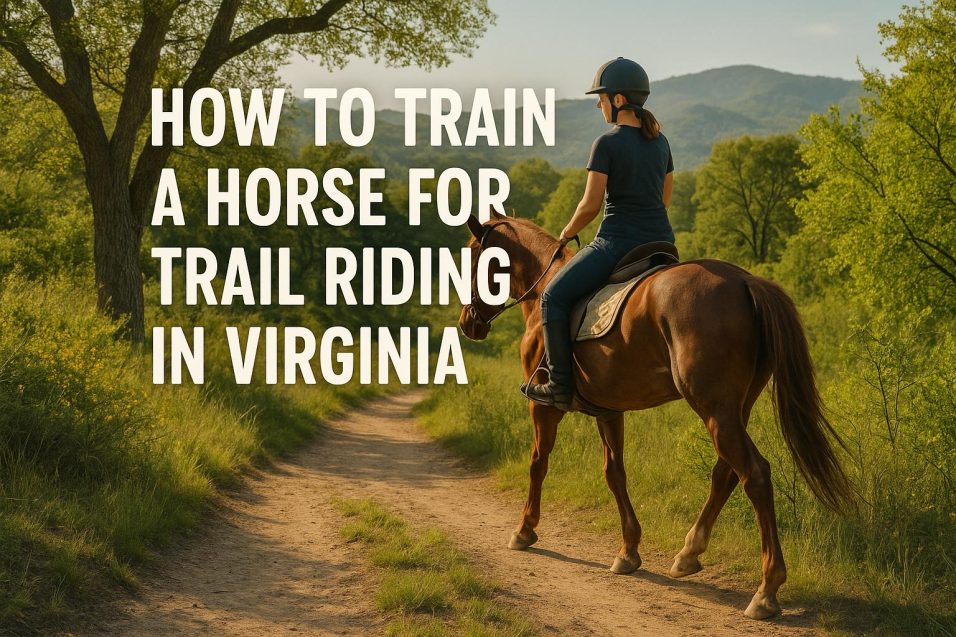
Training a horse for trail riding in Virginia involves several essential steps, considering the state’s diverse landscapes from the Blue Ridge Mountains to the sandy beaches of the Atlantic coastline. Trail riding requires a horse to be well-behaved and accustomed to various terrains. This guide provides a detailed overview of the training process.
Understanding the Environment
Virginia offers an array of trails with varying difficulty levels. Whether you are exploring the George Washington National Forest or the trails near Skyline Drive, understanding the environmental elements your horse will encounter is crucial. These include different types of foliage, water crossings, and changes in elevation, all of which require specific training adaptations. The ability to anticipate these challenges can greatly ease the transition for both rider and horse.
Building a Solid Foundation
The foundation for any trail horse begins with basic obedience training. Groundwork fundamentals such as leading, stopping, and backing up at the handler’s request are necessary. Ensure your horse responds reliably to cues and is comfortable with haltering and saddling. The horse should be responsive and not resistant when asked to perform fundamental tasks on the ground. To achieve these goals, practice each exercise consistently before gradually increasing the complexity of the tasks as your horse becomes more confident.
Further, building your horse’s confidence with you as a partner is crucial. You need to develop a mutual understanding and trust, which often takes time and patience. Spending quality time with your horse outside formal training sessions can help nurture this relationship, ensuring cooperation when faced with unfamiliar trails. An article on effective groundwork techniques can provide more insights on establishing this foundation.
Desensitization to Various Stimuli
Trail riding exposes horses to numerous potential stressors. Begin desensitizing your horse by introducing them to various stimuli in a controlled environment. This can start in a familiar setting, like their usual paddock or arena. Introduce elements they might encounter on the trail, such as water, bridges, wildlife, and bikers. Gradual introduction and regular practice help the horse get accustomed to these stimuli. Consistent exposure to these scenarios can help reduce fear and anxiety when similar conditions are encountered during actual rides.
Besides these tangible stimuli, horses might also react to unpredictable noises or sudden movements. Using auditory recordings or visual simulations can assist in rounding out your desensitization technique, better preparing your horse for these challenges.
Enhancing Physical Fitness
Trail riding requires the horse to be in good physical condition. Engage your horse in a fitness regime that includes regular conditioning exercises. This preparatory work is important to ensure your horse can comfortably endure long rides. Start with short, gradual outdoor rides, incrementally increasing the duration and difficulty as the horse becomes more fit. This incremental training helps build stamina and muscle strength needed for Virginia’s often demanding trails.
Maintaining a balanced diet that supplies your horse with necessary nutrients complements physical exercise. Regular health checks, including dental and hoof care, also play an essential role in preparing your horse for physically demanding trail rides.
Water Training Techniques
Many trails will involve water obstacles, from small streams to river crossings. Work with your horse to ensure they are comfortable with water by initially leading them through shallow areas. Allow them time to become accustomed to the sensation of stepping through water, which can be an unfamiliar experience at first. The goal is to make water crossings seem natural rather than intimidating. Once they are comfortable, gradually progress to deeper crossings. A resource on water training techniques can aid in developing this essential skill.
A key aspect of water training involves patient handling. Horses can often require time to process what is being asked of them, especially with unfamiliar concepts like water crossings.
Riding in Different Weather Conditions
Virginia’s weather can vary significantly, affecting trail conditions. Train your horse to handle different weather scenarios, whether it’s the blazing summer sun or the crisp autumn air. Conduct training during various times and weather conditions, allowing your horse to acclimate to changes in temperature and terrain that wet or dry conditions can bring. Test your horse’s reaction to light rain and consider the safety implications of riding in muddy or slippery conditions.
Proper conditioning for weather extremes can protect against heat-related stress or hypothermia. Knowing your trails and the weather beforehand can also help mitigate unnecessary risks.
Safety Precautions and Best Practices
Ensure you and your horse wear appropriate safety gear. A properly fitted riding helmet is essential for riders and serves as a precautionary measure against unforeseen incidents. Horses should be equipped with suitable saddles and tack to ensure comfort and control. Regularly check the condition of your gear to prevent failure during a ride.
Always inform someone about your planned route and estimated return time when embarking on a trail ride. Having a plan in place in case of emergencies can facilitate timely assistance, should it be needed. Consider learning basic first-aid to handle any emergencies that could arise while out on the trail, ensuring both horse and rider safety.
Conclusion
Training a horse for trail riding in Virginia demands attention to environmental conditions, developing physical fitness, and ensuring the horse is comfortable with a variety of stimuli. Patience, consistent training, and understanding your horse’s capabilities will ensure safe and enjoyable trail riding experiences. If you’re interested in further expanding your trail riding skills, you might explore comprehensive training programs provided by local equestrian centers or join trail riding clubs in Virginia. Participating in workshops or engaging with experienced riders offers further learning opportunities, fostering improvement for both you and your horse.